Trigger Happy: How the Rush to Shoot Threes Early Is Making NBA Offenses Easier to Guard
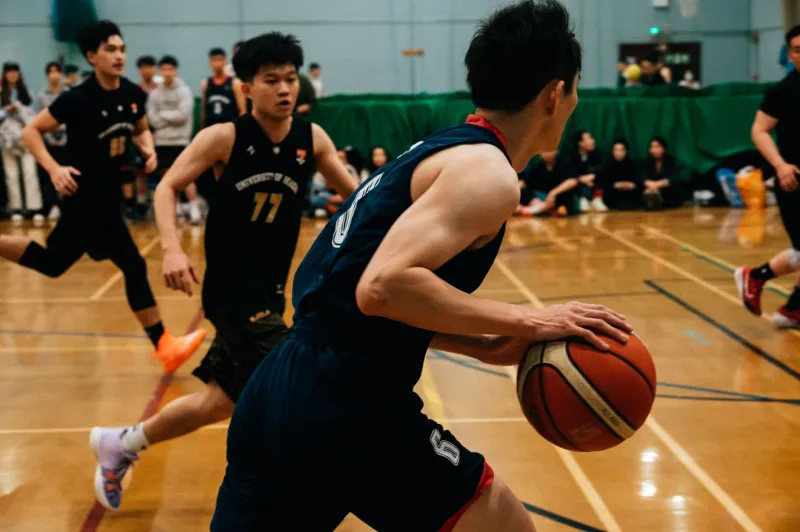
Speed was supposed to be the answer. Run the floor, push the pace, get to the arc before the defense can set, pull the trigger. The logic was airtight: if you shoot before defenders recover, you get better looks. Simple math.
Except somewhere along the way, the pace-and-space philosophy stopped being a tool and started being a reflex. And reflexes, as any defensive coordinator will tell you, are the easiest thing in the world to prepare for.
When Pace Becomes a Tell
Here's the problem with defaulting to early three-point attempts: it removes the decision-making burden from the defense. When a team consistently pushes for a three in the first six to eight seconds of a half-court possession, opposing coaches can build their entire defensive scheme around that tendency. Rotations get pre-programmed. Closeout timing gets rehearsed. The defense doesn't have to react — it just executes.
Defensive preparation at the NBA level is extraordinarily detailed. Teams have tracking data on where every opponent likes to shoot, how quickly they trigger, and what offensive actions they run in each shot clock window. When an offense collapses its shot clock usage into a predictable early window, it's essentially handing the defense a cheat sheet.
The counterintuitive result: fast offenses that shoot early are sometimes easier to defend than slower offenses that probe, move the ball, and keep defenders guessing.
The Ball Movement Collapse
One of the clearest signatures of the early-trigger problem is what happens to assist rates and ball movement quality. Offenses that prioritize quick threes tend to have lower average pass counts per possession, shorter ball movement distances, and fewer secondary actions before the shot.
This matters because ball movement is fundamentally about creating confusion. Every pass forces a defensive rotation. Every cut requires an adjustment. Every screen demands a decision. When the ball stops moving quickly — because a shooter has caught it and fired before the defense has to make more than one rotation — that confusion never materializes.
The best offensive possessions in basketball aren't necessarily the fastest ones. They're the ones where the defense is forced into multiple consecutive decisions before the shot goes up. Early triggers short-circuit that process.
What the Shot Clock Data Actually Shows
Tracking data on shot clock timing tells an interesting story when you dig into it. There's a sweet spot for three-point efficiency that most casual observers wouldn't expect — it's not at the very beginning of the shot clock, and it's not at the desperate end. It tends to cluster in the 10-to-16 second range.
That window represents possessions where the offense has run enough action to generate a quality look but hasn't burned so much clock that they're launching under duress. The defense has been moved. Rotations have been stressed. But there's still time to be selective about the attempt.
Offenses that consistently fire in the first six seconds — before the defense has been truly stressed — are leaving efficiency on the table. They're getting open looks sometimes, sure. But they're also forfeiting the scramble situations that generate the best looks, the ones where a defender is genuinely out of position because the offense made him move three times in eight seconds.
The College Connection
This dynamic shows up even more clearly at the college level, which is worth paying attention to because college basketball is where a lot of these habits get formed. The shot clock is 30 seconds in college — ten seconds longer than the NBA — and teams that learn to use the full clock, to run multiple actions before committing to a three, tend to generate significantly better attempt quality.
College programs that have built analytics-forward offensive systems have largely embraced this philosophy. The goal isn't to shoot fast. The goal is to shoot well. And shooting well usually requires making the defense work first.
The college-to-NBA pipeline means that players trained in quick-trigger pace-and-space systems arrive in the league already conditioned to pull early. Breaking that habit is harder than building it, and many NBA coaches don't prioritize it the way they should.
The Paradox of Slowing Down
Here's the argument that's going to make some analytics-forward fans uncomfortable: deliberately slowing down on certain possessions might actually improve three-point efficiency for teams that are currently triggering too early.
Not slowing down in a 2005 half-court isolation sense. But adding one more pass. Running one more action. Making the defense rotate one more time before the shot goes up. The shot clock is 24 seconds — there's room to be both fast and deliberate, and those aren't mutually exclusive.
Teams that have figured this out tend to have offensive systems with built-in "reset" actions — ways to extend a possession without burning clock wastefully, keeping the defense moving while waiting for a genuinely good look to emerge. It's not glamorous. It doesn't produce the kind of quick-hit highlight reel content that drives social media engagement. But it works.
Rethinking What "Good" Pace Looks Like
The NBA's pace revolution was necessary. Mid-2000s half-court basketball was genuinely inefficient, and the three-point era corrected a real problem. But the pendulum has swung past the optimal point for some franchises.
Pace for its own sake — pace as a brand identity rather than a strategic tool — has a real cost. When defenders know the shot is coming in the first six seconds, they stop rotating and start anticipating. And an anticipated shot is a contested shot, regardless of how open the shooter looked at the moment of release.
The next evolution in NBA offense probably isn't going to come from shooting more threes faster. It's going to come from teams that figure out how to manufacture the right three-point attempts at the right moment in the shot clock — and have the patience to wait for them.
Beyond the arc, the best shot isn't always the quickest one. Sometimes the most dangerous offense is the one that makes you wait for it.